
NAB Show
Session.
ATSC 3.0 Everywhere: SFN Coverage, Hybrid Broadcast-OTT Delivery and 5G Core Integration
Delivering NextGen TV at scale requires both stronger coverage and smarter integration with broadband networks. This session brings together three practical advances shaping ATSC 3.0’s future: Single Frequency Networks (SFNs) as the blueprint for nationwide, resilient indoor and mobile reception; hybrid broadcast/OTT distribution models that optimize operating costs by balancing one-to-many delivery with unicast flexibility; and emerging ATSC 3.0 B2X interworking with the 5G Core to enable unified service discovery, shared metadata, and seamless transitions between broadcast and broadband. Together, these papers show how ATSC 3.0 can reach more viewers, more efficiently, everywhere.
Subsessions
-
Only SFNs Deliver ATSC 3.0 Everywhere: Turning Broadcast Theory into Nationwide Reality
Monday, April 20 | 9:30 – 9:50 a.m. | N256
Louis Libin
ATSC 3.0 is not merely an upgrade to the broadcast ecosystem; it is a tectonic shift in how broadcast signals are conceived, delivered, and experienced. At the heart of this revolution lies one capability powerful enough to redefine the physical limits of broadcasting itself: the Single Frequency Network (SFN). By synchronizing multiple transmitters on a single frequency, SFNs do what legacy architectures never could, they bend geography, erase traditional coverage gaps, and extend the broadcaster’s reach into dense urban cores, deep-indoor environments, and fast-moving mobile platforms. They are the force multiplier that transforms ATSC 3.0 from a promising industry standards into a nationwide, resilient, all-weather communications fabric. Born with SFNs in its DNA, ATSC 3.0 brings the precision timing, native interfaces, and architectural coherence necessary to deploy large-scale, tightly synchronized networks that were once the exclusive domain of defense-grade systems. This paper is a short field manual for the broadcasters and engineers who will build this next frontier, providing an on-the-ground, technically rigorous blueprint for designing, deploying, and governing SFNs within ATSC 3.0’s advanced framework. Moving decisively beyond theory, the paper delivers a structured, operationally focused pathway for real-world SFN implementation. It covers synchronization architectures, interference management, coverage modeling, and the business-driven calculus required for network design. It explores the strategic rationale behind SFNs, the ways in which they unlock mobile reception, datacasting capacity, spectral efficiency, and service robustness, and the tradeoffs that define practical deployment scenarios. This work will equip attendees, industry leaders, planners, integrators, and regulators with the knowledge required to build the nationwide SFN ecosystems that will ultimately determine whether ATSC 3.0 fulfills its promise or falls short of its transformational potential.
-
Hybrid Media Distribution Utilizing ATSC 3.0 / NextGen TV
Monday, April 20 | 9:50 – 10:10 a.m. | N256
Yuriy Reznik
This paper examines the operating costs of a hybrid video distribution system that integrates ATSC 3.0/NextGen TV broadcast with OTT/unicast delivery. In our model, a subset of content—such as the most popular channels or VOD assets—is transmitted via broadcast, while the remainder is delivered through OTT/unicast. We derive a general expression for the system’s total operating cost and formulate an optimization problem to minimize it. An analytical solution is then presented, which identifies the lowest achievable cost, enables direct comparisons between hybrid and purely broadcast or unicast architectures, and highlights the influence of key system parameters on cost efficiency. Crucially, we demonstrate that the hybrid approach achieves superior cost-scaling relative to either pure unicast or broadcast under realistic content popularity distributions. To validate our analysis, we conduct a numerical study using real-world TV audience statistics and practical cost metrics for both delivery modes. The results corroborate our theoretical insights.
-
ATSC 3.0 and B2X Interworking with 5G Core and IP-Based Service Discovery for End-to-End Broadcast Integration
Monday, April 20 | 10:10 – 10:30 a.m. | N256
Sangsu Kim, Rashmi Kamran, Michael Simon
Today, broadcast and mobile systems work separately. Broadcast excels at delivering high capacity, one-to-many content, while mobile networks are better at personalized and interactive unicast services. The industry now needs a practical way to combine these strengths under a common IP-based structure. B2X (Broadcast-to-Everything) is a developing standard that merges the reach of broadcast with the intelligence of mobile networks. B2X aligns ATSC 3.0 with the 5G Core to connect broadcast delivery with mobile session control, security, and service management. This allows broadcasters and mobile operators to share network resources and offer consistent user experiences across all devices, whether content comes from over-the-air broadcast or through mobile network broadband. This paper introduces a framework for integrating ATSC 3.0 with B2X to build a broadcast system that works together with mobile networks. At the service layer, a common IP-based discovery and delivery framework connects the broadcast network to existing mobile applications. It enables unified service listings, shared metadata, and smooth transitions between broadcast and broadband. It also presents proof-of-concept work to validate how B2X can interwork with the 5G Core while supporting existing mobile applications. This work builds on established mobile service environments and focuses on significantly improving delivery efficiency within the broadcast transmission layer. Together, these advances demonstrate a practical path toward a globally interoperable broadcast and mobile ecosystem. In addition, the study details methods for integrating the 5G Core with the B2X framework and explains how discovery and delivery mechanisms can operate across both broadcast and broadband environments.
Speakers
 Chris HomerDirector of EngineeringScripps Media Inc.ModeratorVIEW BIO
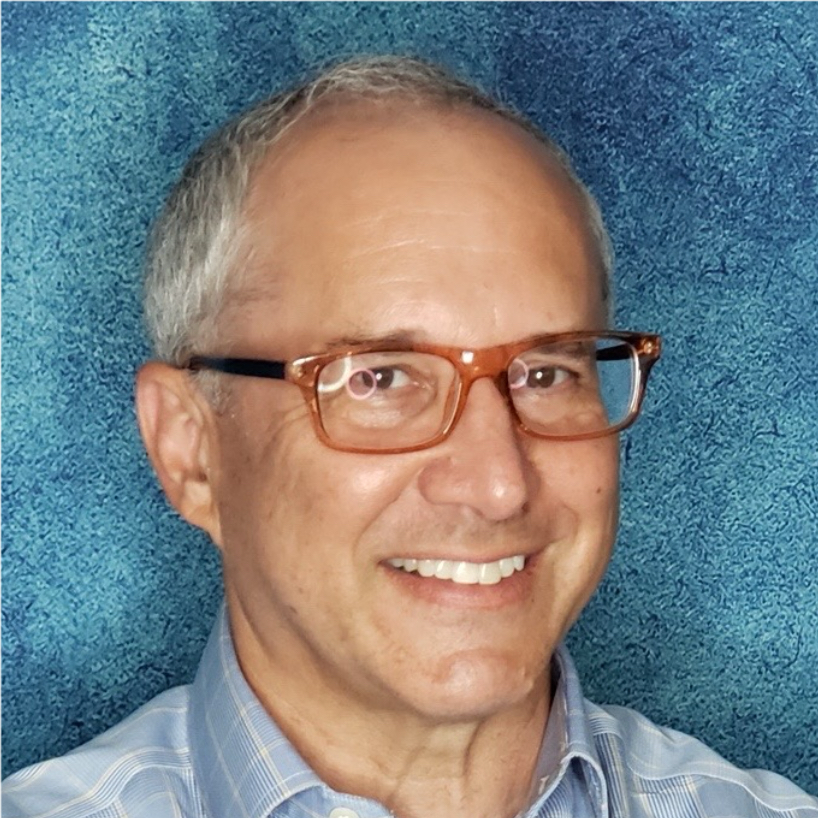 Louis LibinVP Spectrum Strategy and EngineeringOne MediaSpeakerVIEW BIO
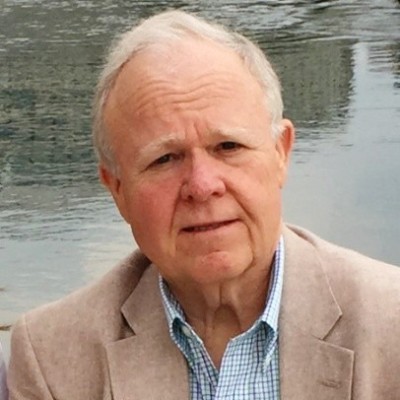 Michael SimonDirector Advanced TechnologyOne MediaSpeakerVIEW BIO
 Rashmi KamranSenior Technical AdvisorFree Stream Technologies IndiaSpeakerVIEW BIO
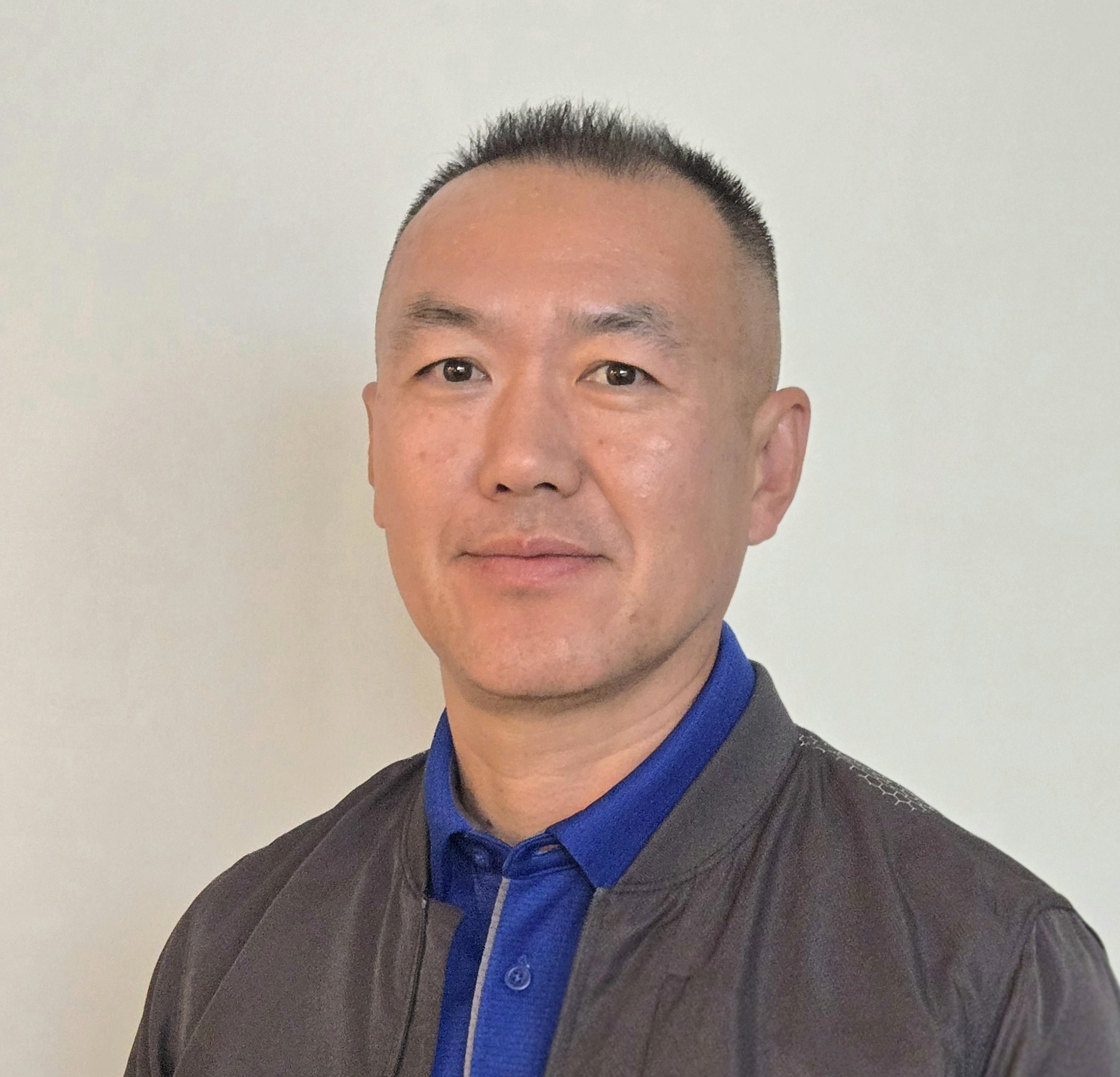 Sangsu KimSr. DirectorOne Media TechnologiesSpeakerVIEW BIO
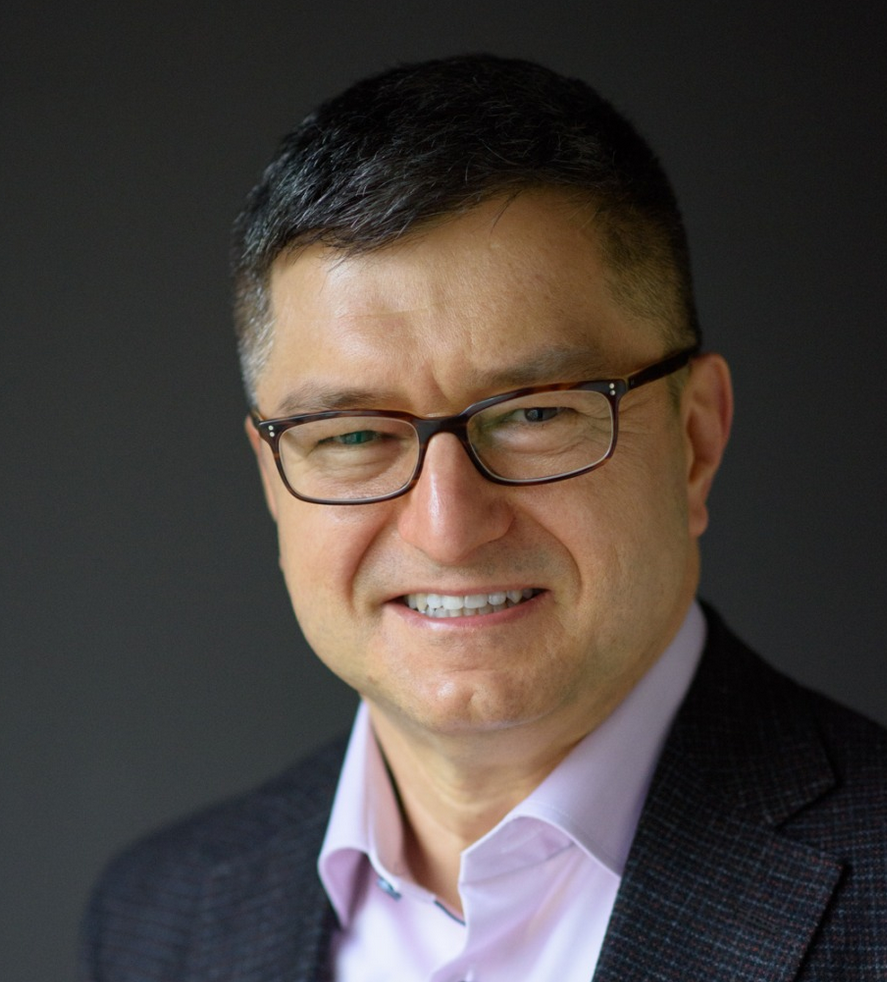 Yuriy ReznikCTOStreaming Labs, Ltd.SpeakerVIEW BIO
Interested in Sponsorship Opportunities?
Work with NAB Show’s Sales Team to explore how your brand can power the pros shaping what’s next.