
NAB Show
Session.
Broadcast Without Boundaries: Software-Defined Agility and Global Transformation at Scale
Today’s broadcasters are under pressure to become more flexible, scalable, and future-ready—without sacrificing reliability. This 60-minute session brings together two complementary panel discussions focused on how media organizations are evolving operations through software-defined and hybrid architectures.
The first panel explores how cloud-compatible, software-driven systems are replacing fixed hardware with fluid workflows that support rapid expansion, remote production, and streamlined channel management.
Panel two shifts to the global stage, examining Globecast’s real-world transformation across five continents and the architectural, organizational, and cultural lessons learned from modernizing at massive scale.
Together, these panels offer practical insights for turning operational complexity into agility and competitive advantage.
Subsessions
-
Software Defined Equals Fluidity for Broadcast Operations
Tuesday, April 21 | 11:30 a.m. – noon | N261
Satoshi Kanemura, Claudia Souza, Robert Seidel
Cloud-compatible, software-defined systems are replacing the rigidity of hardware-based platforms with a new, fluid workflow that enables broadcasters to instantly expand their capacity and change their equipment selection. It can also transform large, one-time capital expenses into easier-on-the-budget operational expenses. Replacing fixed hardware with adaptable software enables broadcasters to manage production, playout, graphics, and automation within a unified, cloud-ready environment. It also brings with it the ability to add new channels, software updates, and enable remote work. During this panel discussion, attendees will learn how stations can streamline production, enhance remote collaboration, and future-proof their infrastructure without disruption. The panelists will discuss how this increased flexibility supports creative freedom and faster turnaround times. This expert panel will include Robert Seidel (former CBS VP of Engineering and SMPTE President), Claudia Souza (Chief Innovation Officer, Advanced Systems Group), and Satoshi Kanemura (President, FOR-A America). The panel will dive deep into best practices on getting a real-world, software-defined, on-premise station online. Together, these industry leaders will share firsthand insights into how broadcasters are simplifying operations, embracing hybrid infrastructures, and building the foundation for the next generation of agile, software-defined media environments. Panelists will share real-world experiences on making the transition—what worked, what surprised them, and how hybrid approaches helped bridge the gap. Whether you’re starting your journey or ready to scale, this session will show how software-defined brings freedom, agility, and confidence to every stage of broadcast operations. In short, it’s a smarter way forward for broadcasters of all shapes and sizes.
-
Managing the Complexity of a Global Media Operation: Lessons Learned from Transformation at Scale
Tuesday, April 21 | noon – 12:30 p.m. | N261
Chris Pulis, Kenelm Deen, Brian Cullinan, G Morgan
Operating more than 11,000 media services worldwide, Globecast has faced the same challenge confronting many broadcasters: how to modernize while maintaining reliability at scale. Over the past several years, the company has executed a global transformation across facilities in Paris, London, Los Angeles, Johannesburg, and Singapore—migrating workflows from legacy teleports and centralized NOCs to hybrid IP and cloud-based architectures. This session will explore the engineering and organizational lessons from that transformation. Rather than pursuing a single monolithic platform, Globecast adopted a modular approach, optimizing individual workflows for continuous and event-based services, playout, and media management. The session will examine how this approach improved observability, reduced downtime, and accelerated time-to-launch for new services. Attendees will also gain insight into workforce and system design considerations, including how to balance global coordination with local autonomy, manage change across multiple time zones, and sustain reliability during phased migrations. Ultimately, the session will illustrate how to build agility into a global broadcast operation, and turn complexity into a competitive advantage through architecture, process design, and culture.
Speakers
 Rebecca SirmonsGM of NASA+NASAModeratorVIEW BIO
 Brian CullinanVice President, Technical OperationsHallmark MediaSpeakerVIEW BIO
 Chris PulisChief Technology OfficerGlobecast GroupSpeakerVIEW BIO
 Claudia SouzaChief Innovation OfficerASG, LLCSpeakerVIEW BIO
 G MorganEVP of SalesGlobecastSpeakerVIEW BIO
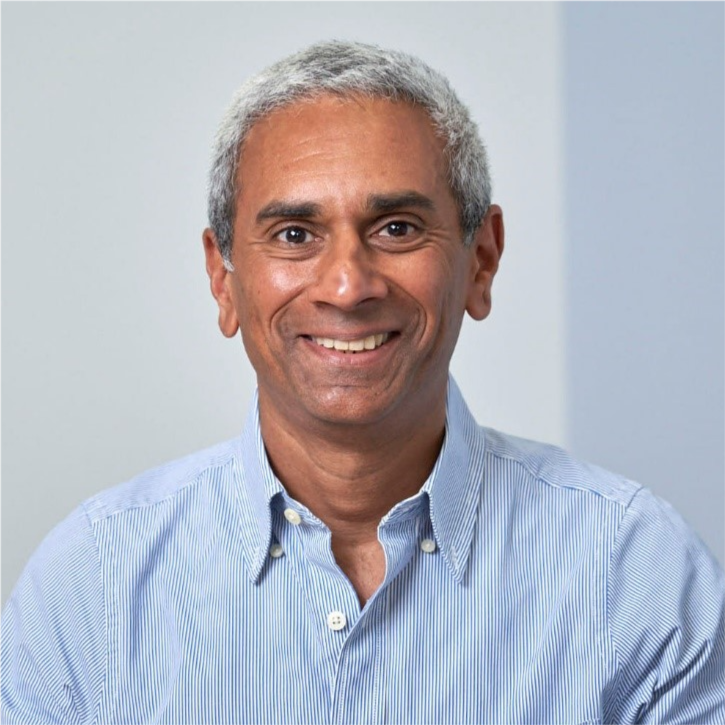 Kenelm DeenDirector Solution Management – Distribution, Video NetworkSynamediaSpeakerVIEW BIO
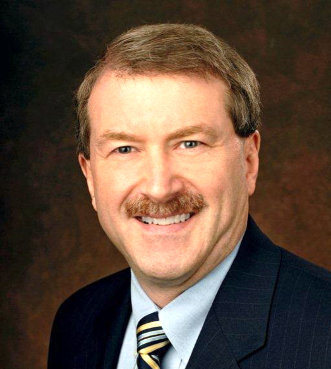 Robert SeidelOperating PartnerLakewood AdvisorsSpeakerVIEW BIO
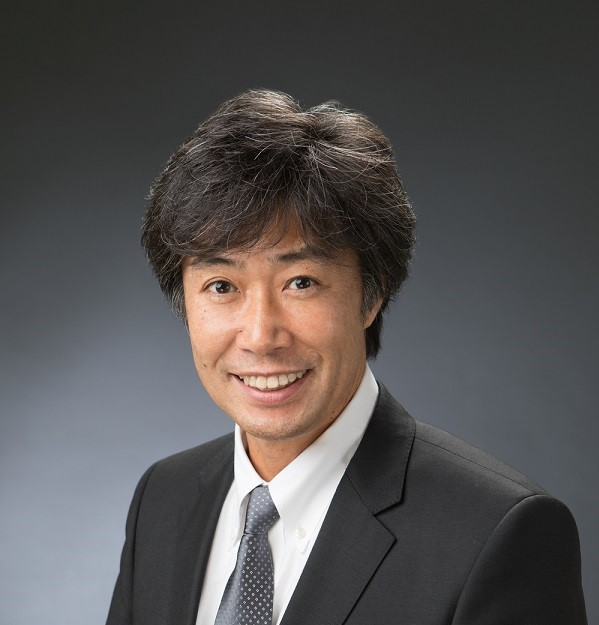 Satoshi KanemuraPresesident & COOFOR-A AmericaSpeakerVIEW BIO
Interested in Sponsorship Opportunities?
Work with NAB Show’s Sales Team to explore how your brand can power the pros shaping what’s next.