
NAB Show
Session.
Resilient Broadcast Distribution: Hybrid Connectivity, Open Infrastructure and the Path to 100% Cloud
Broadcasters are re-architecting distribution to stay resilient as satellite capacity tightens and IP-first delivery accelerates. This session connects three real-world perspectives: hybrid last-mile distribution using satellite, fiber, 5G, and LEO with multipath reliability; NPR’s terrestrial public radio system built with open-source protocols, virtualization, and off-the-shelf hardware; and the engineering roadmap for moving from hardware-centric operations to fully cloud-based broadcast workflows. Together, these papers offer a practical blueprint for modernizing contribution and distribution—balancing latency, redundancy, cost, and operational change to deliver broadcast-grade reliability at scale.
Subsessions
-
Beyond Boundaries: Hybrid Broadcast Distribution – Multipath Last-Mile Connectivity Across Satellite, Fiber, 5G and LEO
Sunday, April 19 | 11 – 11:20 a.m. | N256LMR
Kenelm Deen
<p>For decades, C-band satellite distribution has been the backbone of U.S. broadcast distribution, offering unmatched scale, reliability, and cost predictability. A single uplink could reach thousands of affiliates with near perfect uptime and resilience against weather-related disruptions. However, this model is under unprecedented pressure. </p>
<p>With the FCC looking to repurpose up to 180MHz of the remaining upper C-band spectrum, the industry faces a critical inflection point: how to maintain broadcast grade reliability with diminished or no C-band. This paper explores two hybrid alternatives, Satellite Ku-band and IP, and an IP-first model using dual oath IP connectivity across fibre, 5G and LEO. The paper also addresses the operational and commercial challenges involved in transitioning to a new distribution model. </p>
<p>A hybrid satellite/IP model offers an effective distribution solution. While alternative spectrum options such as Ku-band provide an established and reliable framework, they also introduce operational challenges, most notably, increased vulnerability to rain fade, which can affect signal integrity and overall performance. Nonetheless, by integrating the extensive coverage of Ku-band satellites with IP-based technologies, particularly RIST for packet recovery, broadcasters can address and reduce the impact of weather-related disruptions. </p>
<p>This approach enables the preservation of service continuity, even in adverse conditions, while also opening opportunities for greater efficiency within broadcast workflows. The combination of satellite resilience and advanced IP-based error correction ensures that broadcasters can maintain high reliability and service quality, supporting a smooth transition towards future-ready distribution models. </p>
<p>An IP-first model offers flexibility and scalability but requires strong last-mile connectivity for an always-on service to thousands of endpoints. If one network falls short, can a hybrid approach using fibre, 5G, and LEO meet these needs? Is this achievable in a transport stream model which dominates today, or is a new approach needed such as segmented delivery like DASH and MoQ providing multi-path distribution and seamless edge switching for low-latency, dependable connections? </p>
<p>This paper will explore: </p>
<ul>
<li><strong>Technical architecture:</strong> How hybrid workflows integrate satellite and IP using standards like VSF TR-06-4 part 7 and dual IP network transports across fibre, 5G and LEO. </li>
<li><strong>Operational strategies: </strong>Compression upgrades, receiver refresh cycles, and multi-network deployment models.</li>
<li><strong>Economic considerations: </strong>CAPEX/ARR modelling for hybrid vs. full-IP scenarios. </li>
</ul>
<p>As spectrum pressures mount, hybrid distribution is not just a stopgap, it is a strategic evolution. By blending satellite’s reliability with IP’s agility, broadcasters can navigate uncertainty and position themselves for a resilient, scalable future. </p> -
How NPR Distribution Used Open-Source Protocols, Virtualization, and Off-the-Shelf Hardware to Build the New Public Radio Distribution System.
Sunday, April 19 | 11:20 – 11:40 a.m. | N256LMR
Jon Cyphers, Mike Pilone
<p>Several challenges are facing the distribution of public radio programming. C-Band spectrum repurposing, manufacturers no longer building satellite hardware, and funding issues. Recognizing these challenges, NPR Distribution is adopting terrestrial distribution for its next system upgrade.</p>
<p><br />Mike Pilone and Jon Cyphers will present how NPR has designed and built a low latency, terrestrial, affordable, audio distribution system. From encoding, scheduling, distribution, to decoding at stations the ContentDepot Edge system is up and running at 20 stations already. We'll share what went into our decisions, an overview of the system, and some lessons learned to help others.</p> -
Engineering the Shift: How Broadcasters Can Move from 100% Hardware to 100% Cloud
Sunday, April 19 | 11:40 a.m. – noon | N256LMR
Martin Magone
<p>Broadcasters are under increasing pressure to rethink decades-old architectures as the shift toward IP, virtualisation, and cloud-native operations accelerates across the media industry. While many organisations have adopted hybrid approaches or migrated isolated workflows, very few have embarked on, let alone completed, a full end-to-end transition from hardware-dependent infrastructure to a fully cloud-based broadcast ecosystem. This session explores what it really takes to make that leap.</p>
<p>Using Telekom Malaysia (TM) as an illustrative use case, the session examines the engineering, operational, and strategic considerations behind a complete cloud migration across playout, contribution, distribution, and monitoring workflows. TM’s journey demonstrates how a national operator can modernise legacy systems, reduce operational complexity, and open the door to new service models, while maintaining broadcast-grade resilience and regulatory compliance.</p>
<p>The session will outline the technical migration path:</p>
<ul>
<li>Assessing existing hardware-centric architectures and determining cloud-ready components.</li>
<li>Designing cloud-native equivalents for playout, ingest, processing, QC, and delivery.</li>
<li>Ensuring reliability, redundancy, and latency performance in cloud environments.</li>
<li>Integrating orchestration, observability, and automation to enable scalable operations.</li>
<li>Navigating security and sovereignty requirements in multi-region architectures.</li>
<li>Managing cultural and operational change when shifting from hardware engineering to software-defined workflows.</li>
</ul>
<p>Most importantly, the presentation will highlight the broader lessons that apply to any broadcaster, whether they are at the beginning of their cloud journey or planning the final stages of migration. TM’s experience provides a real-world blueprint for overcoming common pitfalls, optimising cost, improving agility, and defining a long-term transformation roadmap.</p>
<p>The session is designed to welcome additional broadcasters, vendors, and integrators to contribute insights, creating a practical and technology-agnostic discussion on what “100% cloud” really means for broadcast engineering in 2026 and beyond.</p>
Speakers
 Thomas EdwardsPrincipal Solutions ArchitectAmazon Web ServicesModeratorVIEW BIO
 Jon CyphersSenior Manager of Product and Support, DistributionNPRSpeakerVIEW BIO
 Kenelm DeenDirector Solution Management – Distribution, Video NetworkSynamediaSpeakerVIEW BIO
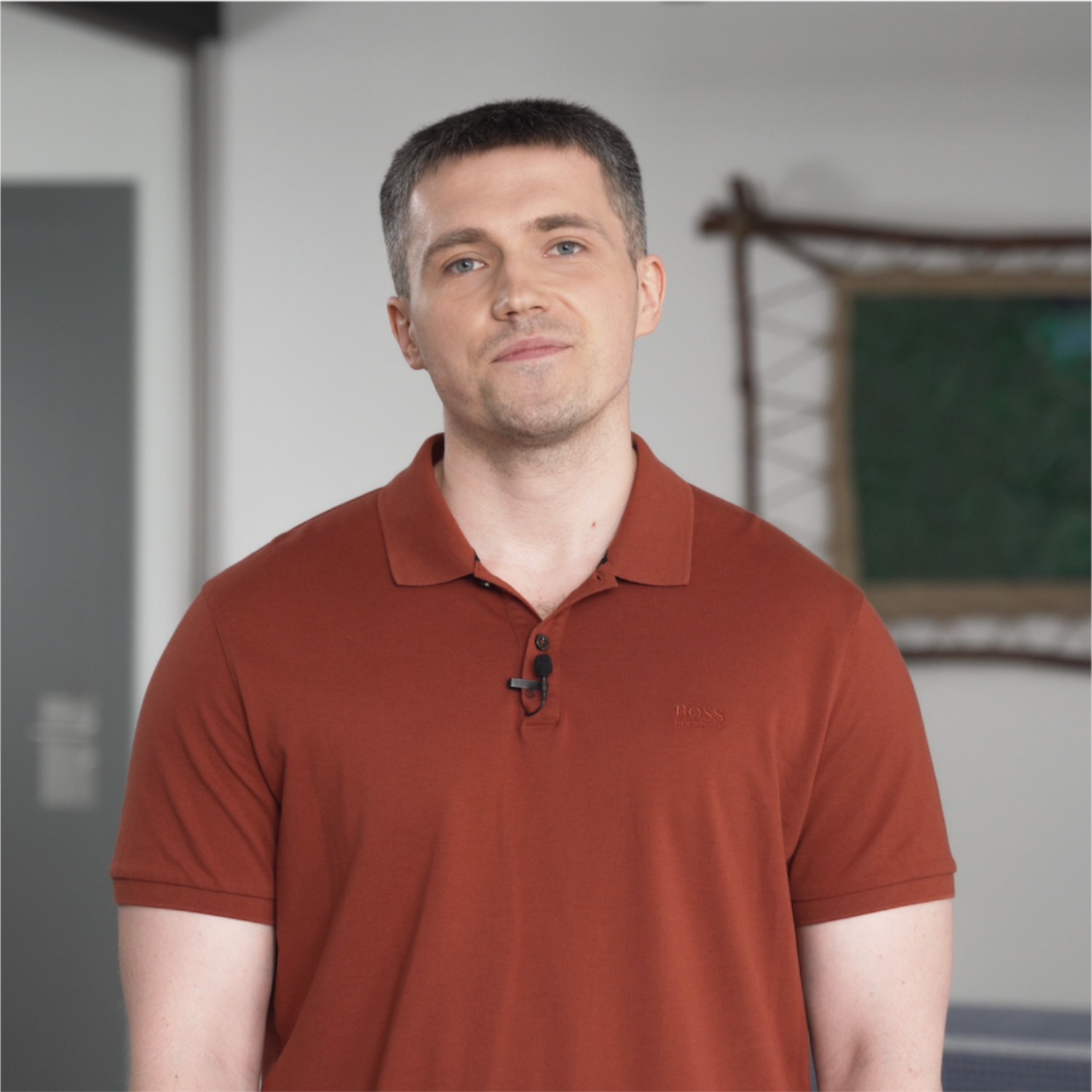 Martin MagoneCTOVesetSpeakerVIEW BIO
 Mike PiloneEnterprise ArchitectNPRSpeakerVIEW BIO
Interested in Sponsorship Opportunities?
Work with NAB Show’s Sales Team to explore how your brand can power the pros shaping what’s next.